



Executive Summary
Artificial intelligence, digital infrastructure, and evolving sustainability expectations are transforming how businesses procure renewable energy. This article explores why corporate renewable energy strategies are moving beyond conventional power purchases towards integrated partnerships that create new renewable energy capacity, deliver verified environmental outcomes, and support long-term decarbonisation. Using Fourth Partner Energy’s partnership with Meta as an example, the article examines how this shift is shaping the future of corporate sustainability.
Corporate Sustainability Is Entering a New Era
The rapid growth of artificial intelligence, cloud computing, and digital infrastructure is transforming the way businesses consume energy. As electricity demand rises, companies are under increasing pressure to ensure that business growth is matched by clean, reliable, and verifiable renewable energy.
Corporate sustainability is no longer measured solely by ambitious climate commitments—it is increasingly defined by how organisations deliver against those commitments. Investors, customers, and regulators now expect businesses to demonstrate measurable progress in reducing emissions while contributing to the broader clean energy transition.
This shift is changing the way companies approach renewable energy procurement. Instead of simply purchasing renewable electricity, organisations are seeking integrated renewable energy solutions that help reduce value chain emissions, create additional renewable capacity, and support long-term decarbonisation.
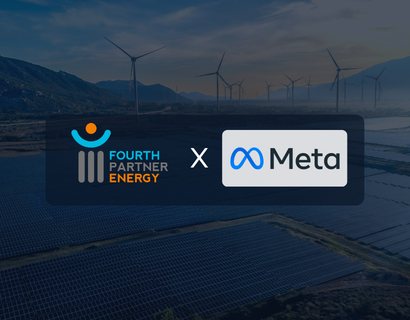
Fourth Partner Energy’s partnership with Meta is a strong example of this evolving approach.
Powering Growth Through Renewable Energy
Under the partnership, Fourth Partner Energy (FPEL) will develop, own, and operate an 88 MW portfolio of solar and wind projects across Tamil Nadu, Karnataka, Maharashtra, and Uttar Pradesh. Meta will purchase 100% of the environmental attributes associated with these projects, supporting its broader commitment to matching its operations with 100% clean and renewable energy while contributing new renewable energy capacity to India’s power grid.
Unlike conventional renewable energy procurement, this partnership extends beyond the supply of clean electricity. It combines renewable energy generation with verified environmental attributes, enabling Meta to strengthen its sustainability strategy while supporting India’s clean energy ecosystem.
As Vivek Subramanian, Co-Founder & Executive Director, Fourth Partner Energy, explains:
“This partnership with Meta highlights FPEL’s expertise in delivering innovative, integrated renewable energy solutions to India’s businesses. Corporates are increasingly embracing the complementary benefits of wind-solar hybrid power, as well as the flexibility provided by environmental attributes in lowering emissions.”
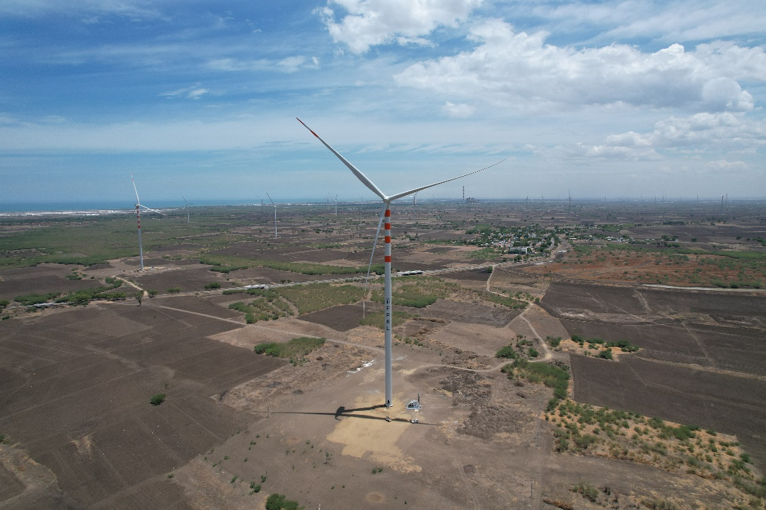
FPEL Ottapidaram, Tamil Nadu 46.2 MW Wind Park
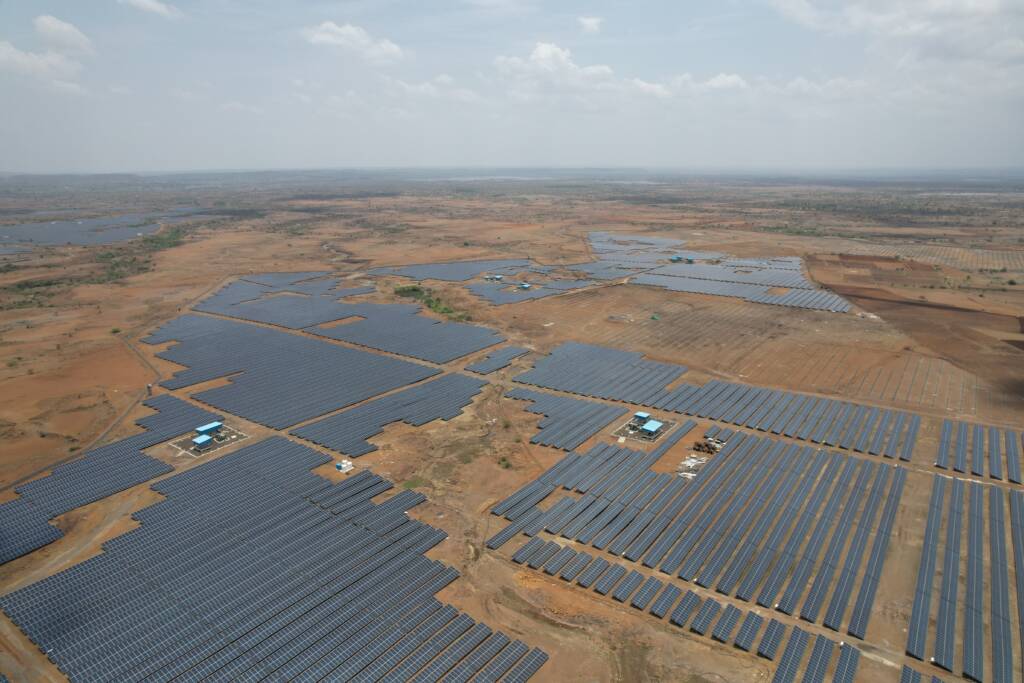
Dhule, Maharashtra 150 MWp Solar Park
Meeting the Energy Demands of an AI-Driven Future
Artificial intelligence is transforming industries, but it is also reshaping global energy demand. As AI models become more sophisticated and digital infrastructure expands, data centres require significantly more electricity to support high-performance computing, cloud services, and always-on operations.
Meta’s growing AI investments in India reflect this shift. The company is scaling its AI infrastructure, anchored by its first AI-enabled data centre in Jamnagar, Gujarat. However, powering this growth requires more than just additional electricity—it requires clean, reliable, and verifiable renewable energy that aligns with the company’s long-term sustainability commitments.
This is where Fourth Partner Energy’s partnership with Meta becomes significant.
Through its 88 MW portfolio of solar and wind projects, FPEL is helping Meta address its value chain emissions while supporting the company’s global commitment to match its operations with 100% clean and renewable energy. Rather than treating renewable energy as a standalone procurement exercise, the partnership integrates renewable power generation with verified environmental attributes, enabling business growth and sustainability to progress together.
Amanda Yang, Head of Clean and Renewable Energy at Meta, highlights the significance of the partnership:
“These projects with FPEL represent a commitment to India’s clean energy ecosystem, helping to bring new renewable energy capacity onto the grid and address Meta’s value chain emissions in the region. This is consistent with our broader goal of matching our global operations with 100% clean and renewable energy.”
Why Meta Chose Fourth Partner Energy
As corporate renewable energy strategies become increasingly sophisticated, businesses require more than conventional power purchase agreements. They need partners capable of delivering integrated renewable energy solutions that align with long-term sustainability objectives.
For Meta, Fourth Partner Energy offered exactly that.
With an established operating presence across India, FPEL was uniquely positioned to develop and operate renewable energy assets across multiple geographies while providing a seamless, end-to-end solution.
Rather than supplying renewable electricity alone, FPEL manages the complete asset lifecycle—from project development and ownership to operations and environmental attribute management—allowing customers to focus on achieving their sustainability goals without the operational complexity of managing renewable energy assets.
From Buying Electricity to Delivering Sustainability Outcomes
Traditional renewable energy procurement has often focused on purchasing renewable electricity from existing projects. While this helps organisations reduce their carbon footprint, today’s sustainability ambitions require a broader approach.
Increasingly, businesses are looking for renewable energy partners that can develop, own, operate, and manage renewable energy assets while aligning projects with long-term decarbonisation strategies. This enables organisations to integrate renewable energy procurement with broader ESG objectives rather than treating it as a standalone energy transaction.
FPEL’s partnership with Meta reflects this evolution. By combining project development, long-term asset management, and environmental attributes within a single partnership, the collaboration supports both operational growth and measurable sustainability outcomes.
Creating Additional Renewable Capacity
One of the defining characteristics of this partnership is its focus on additionality.
Many environmental attribute transactions involve purchasing certificates from renewable energy projects that are already operational.
In contrast, FPEL’s agreement with Meta was structured before the projects reached Commercial Operation Date (COD). Instead of monetising renewable energy that was already being generated, the partnership supported the development of new renewable energy capacity.
This distinction is significant.
By enabling new projects to be developed, the partnership contributes directly to expanding India’s renewable energy infrastructure rather than simply reallocating environmental benefits from existing assets. It reflects a growing shift towards renewable energy procurement models that deliver measurable environmental impact alongside corporate sustainability outcomes.
Complexity That Drives Capability
Large-scale renewable energy partnerships are rarely defined by a single agreement.
Behind the scenes, this transaction required extensive coordination across multiple renewable energy projects, states, commercial teams, technical specialists, and customer stakeholders. The partnership also involved structuring environmental attributes from the earliest stages of project development across more than 30 power purchase agreements, demonstrating the level of planning required to deliver integrated renewable energy solutions at scale.
While this complexity remains largely invisible to the customer, it reflects the execution capability required to support enterprise-scale sustainability commitments.