





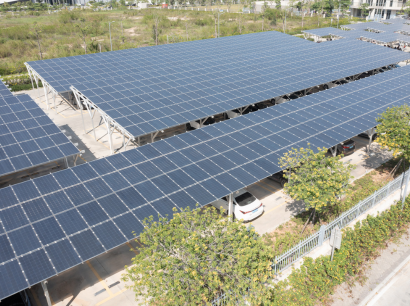
In energy-intensive manufacturing environments, power is more than just a cost—it directly impacts operational efficiency and competitiveness. For Seoyon E-Hwa ( https://www.seoyoneh.com/eng/ ), this reality became an opportunity to rethink how infrastructure, efficiency, and sustainability can work together to create long-term value.
In this exclusive interaction Manoj Kumar, Manager at Seoyon E-Hwa, shares insights into the company’s evolving approach to energy efficiency across its manufacturing operations in India. He discusses the firm’s transition toward renewable energy, the decision to adopt a solar carport solution, and the importance of long-term thinking in driving both operational and environmental impact.
1. A Growing Manufacturing Footprint with Rising Energy Needs
Seoyon E-Hwa, a South Korea–based global automotive component manufacturer, specializes in interior and exterior systems for leading OEMs such as Hyundai and Kia. With decades of manufacturing excellence and a strong focus on quality, R&D, and engineering precision, the company has built a significant global presence.
In India, Seoyon E-Hwa continues to expand its footprint with facilities across Chennai, Andhra Pradesh, and Pune—supporting a rapidly growing automotive ecosystem. Operating in a highly energy-intensive environment, the company places strong emphasis on efficiency, reliability, and process optimization.
As production scales and the automotive industry moves toward more sustainable mobility solutions, energy is no longer just a utility—it becomes a strategic lever for cost optimization, operational stability, and environmental responsibility.
2. A Measured and Practical Approach to Sustainability
As part of its global vision, Seoyon E-Hwa is committed to achieving Carbon Neutrality by 2050, with a strong focus on reducing energy consumption, strengthening supply chain sustainability, and developing eco-friendly materials.
At its India operations, this vision is translated into a practical, step-by-step approach rather than abrupt transitions. The journey began internally—by first improving how energy is consumed before transforming how it is sourced.
This meant focusing on operational efficiency at a granular level, from optimizing lighting systems through automation to enhancing motor performance using advanced drive technologies, along with continuous monitoring to reduce overall power consumption.
Alongside these efforts, the company has begun integrating renewable energy into its operations—marked by the installation of a 385 kWp solar carport at its manufacturing facility in Anantapur, Andhra Pradesh, enabling clean energy generation while making efficient use of existing infrastructure.
As Manoj Kumar explains:
“We are implementing internal improvements in power consumption and step by step moving towards renewable energy.”
This approach reflects a broader philosophy—sustainability as an ongoing journey, built on continuous improvement and long-term thinking.
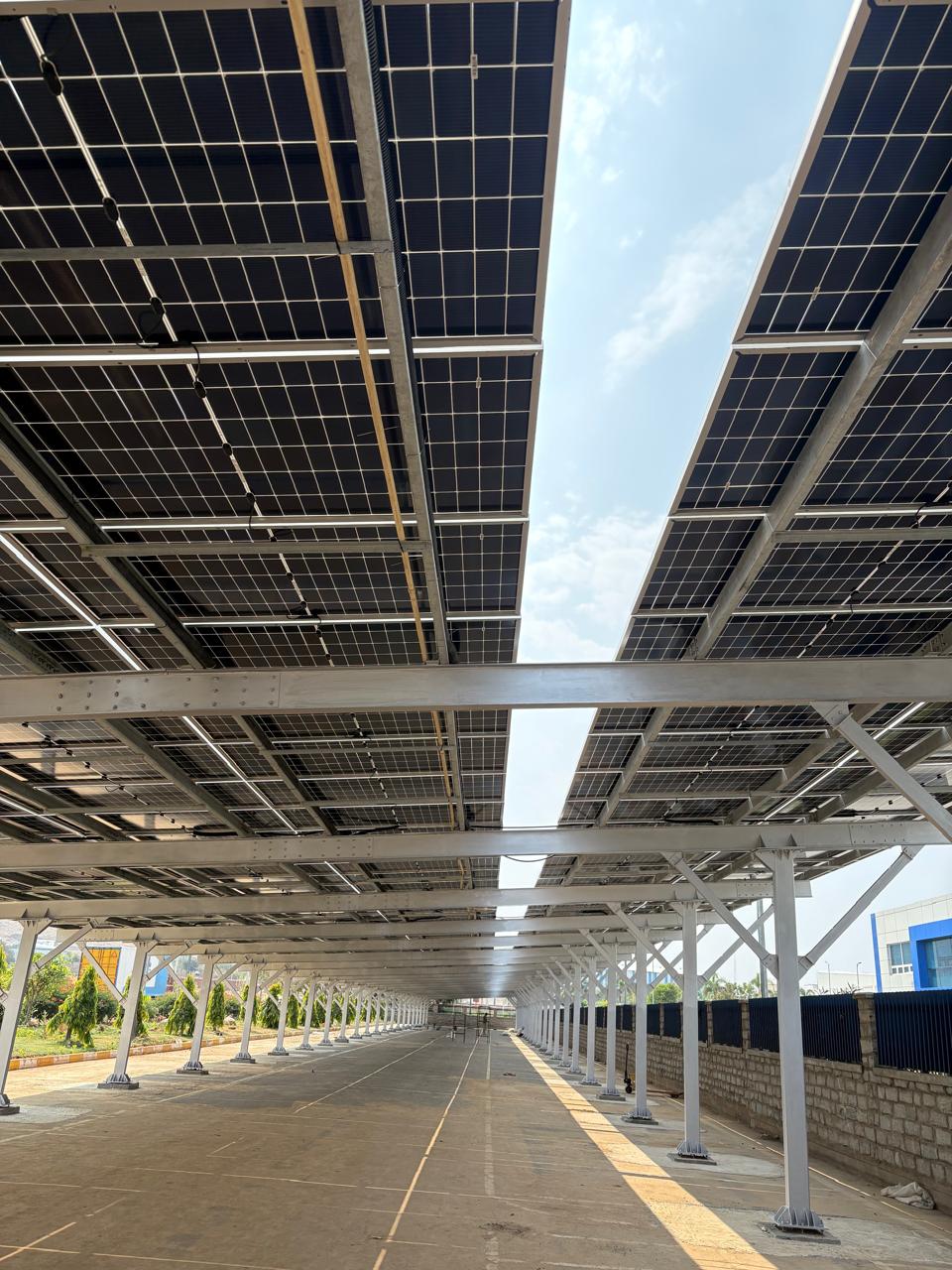
Seoyon E-Hwa’s, 385 kWp Carport Solar in Andhra Pradesh
3. Rethinking the Approach: From Limitations to Opportunity
The transition to solar energy was not immediate.
Initial plans to install rooftop systems were explored but did not meet internal feasibility expectations. Rather than settling for a compromise, the team took a step back to reassess the available options.
That’s when a simple yet impactful idea emerged—utilizing the parking space.
“We checked other areas… then we thought about the parking space and decided to implement it there.”
This decision highlights an important insight—sustainability is not always about adding new infrastructure, but often about reimagining existing assets.
4. Solar Carport: Delivering More Than Just Energy
The solar carport solution delivered value well beyond power generation. By transforming an existing parking area into a dual-purpose asset, Seoyon E-Hwa was able to optimize space without disrupting operations while simultaneously improving employee experience through shaded parking.
Beyond efficiency and cost savings, the installation also reflects a visible shift in mindset—where sustainability becomes a part of everyday operations rather than a separate initiative.
More importantly, the solution aligned closely with Seoyon E-Hwa’s core philosophy of building systems that are reliable, standardized, and long-lasting.
“We want standard and long-term solutions… not something temporary.”
5. Prioritizing Quality and Long-Term Value
When evaluating partners for the project, Seoyon E-Hwa considered multiple options. However, the decision was not driven by cost alone.
Instead, the emphasis was placed on engineering standards, execution capability, and long-term reliability—ensuring that the solution would perform consistently over time.
As Manoj Kumar notes:
“We looked at different options, but we wanted a company with standards… something that will run for the long term.”
This mindset, deeply rooted in manufacturing excellence, ultimately guided the selection of the right partner.
Supporting this transition, Fourth Partner Energy played a key role in delivering the solar carport solution with a strong focus on engineering quality and execution. From design to commissioning, the project was implemented with careful planning, ensuring minimal disruption to operations while adhering to timelines.
6. Execution That Reinforced Confidence
In industrial projects, execution is where plans are truly tested.
From agreement finalization to installation, the project followed a structured and disciplined approach, with careful planning around operational constraints and shutdown schedules.
Even technically complex aspects, such as cabling and system integration, were handled efficiently.
“As per the schedule, everything was completed… all done very well.”
The ability to deliver on time and as committed played a key role in building trust and confidence in the partnership.
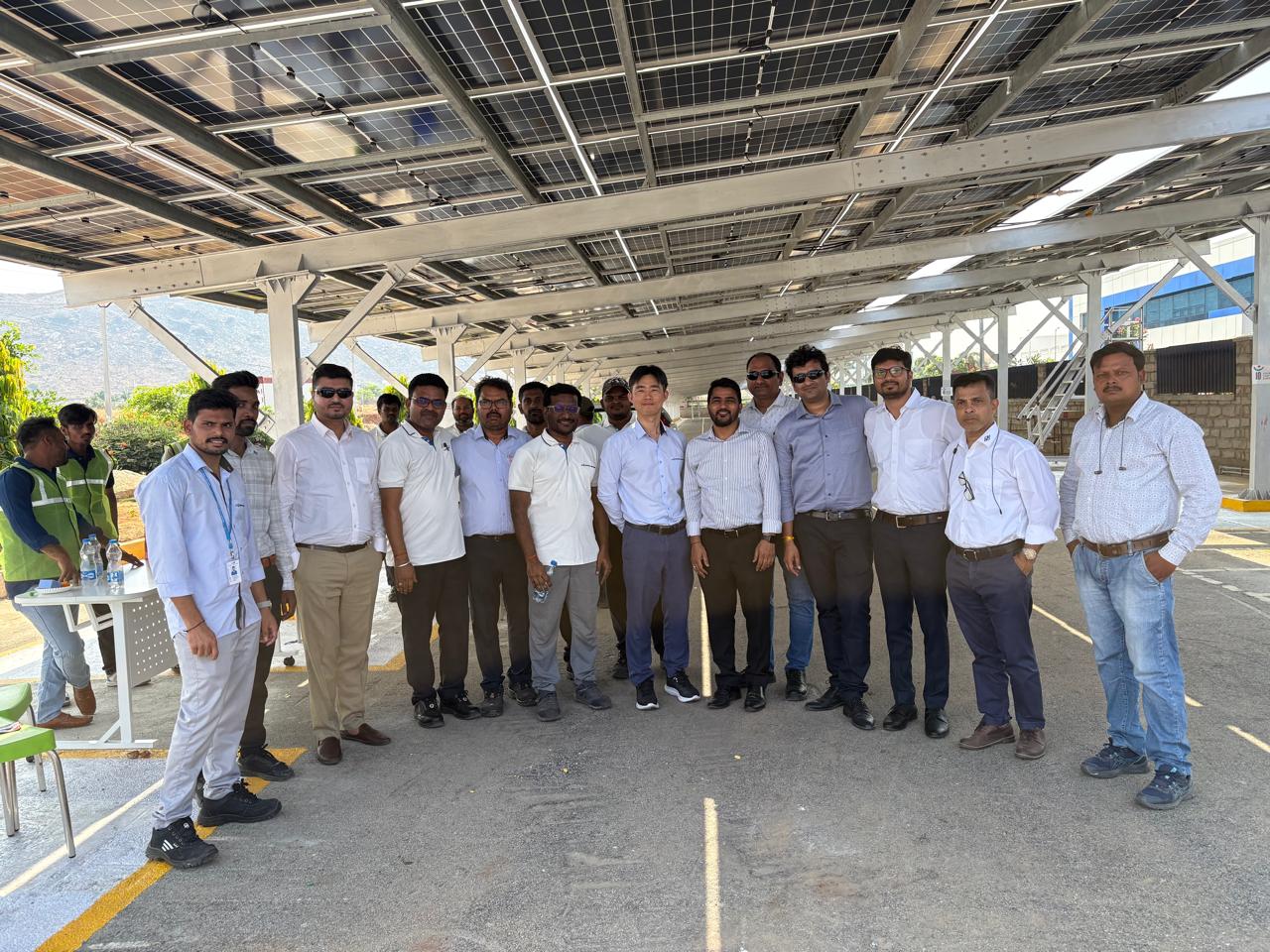
Seoyon E-Hwa and Fourth Partner Energy teams during the commissioning of the 385 kWp solar carport project at Anantapur, Andhra Pradesh.
7. A Visible Commitment to Sustainability
Unlike traditional rooftop installations, the solar carport is highly visible—and that visibility plays a significant role.
It transforms sustainability from an internal initiative into something that can be seen, experienced, and appreciated.
The project has received positive feedback from visitors, stakeholders, and even government officials:
“They appreciated the design… it is very neat and well executed.”
8. Driving Business and Environmental Value
Although still in the early stages of operation, the project is expected to deliver significant benefits, including an estimated 40–50% reduction in electricity costs, reliable power generation, and improved efficiency during peak sunlight periods.
Beyond cost savings, the project contributes to reducing dependence on conventional power sources and supports the company’s broader decarbonization efforts.
9. A Simple Message to Industry Peers
When asked what advice he would offer to companies still evaluating renewable energy, Manoj Kumar’s response was clear and direct:
“Solar is very beneficial… just implement it.”
Sometimes, the most powerful insights are also the simplest.
10. Looking Ahead
With plans to further expand renewable energy adoption and continue improving internal efficiencies, Seoyon E-Hwa is steadily progressing toward a more sustainable operational model.