





Executive Summary
CAPEX Open Access is emerging as an alternative route for businesses looking to adopt renewable energy while investing in and owning the generation asset. This blog looks at how the model works, how it compares with the OPEX/PPA approach, and the key aspects businesses should understand when exploring CAPEX Open Access.
For businesses looking to increase their use of renewable energy, there is more than one way to make the transition.
One option is to purchase renewable electricity from a developer through a long-term power purchase arrangement. Another approach is to invest in and own a renewable energy generation asset and use the Open Access framework to meet the electricity needs of the business.
This is where CAPEX Open Access comes into the picture.
In simple terms, CAPEX Open Access gives businesses the opportunity to invest in and own a renewable energy generation asset, while using Open Access to supply the electricity generated by that asset to their operations, subject to the applicable regulatory and project structure.
What is Open Access?
Open Access is an electricity procurement mechanism that allows eligible consumers to access electricity from a source other than the conventional supply arrangement with their distribution licensee, using the electricity network subject to applicable rules and charges.
The Government of India introduced the Green Energy Open Access Rules, 2022 to promote the generation, purchase and consumption of green energy. The framework was also designed to make Green Open Access more accessible to commercial and industrial consumers.
In simple terms, Open Access can give a business another route to procure renewable electricity for its operations.
So, what is CAPEX Open Access?
The key difference lies in who owns the renewable energy asset.
Under an OPEX or PPA model, the renewable energy developer generally invests in, owns and operates the generation asset, while the customer purchases the electricity generated by the project.
Under a CAPEX model, the customer invests in and owns the generation asset.
This changes the relationship from simply purchasing renewable electricity to making a long-term investment in a renewable energy asset.
For businesses that have a long-term electricity requirement and are comfortable making an upfront investment, CAPEX Open Access can therefore be an alternative way to build a renewable energy strategy.
FPEL’s CAPEX Open Access offering includes both shared-infrastructure and turnkey project approaches, depending on the customer’s requirements and project structure.
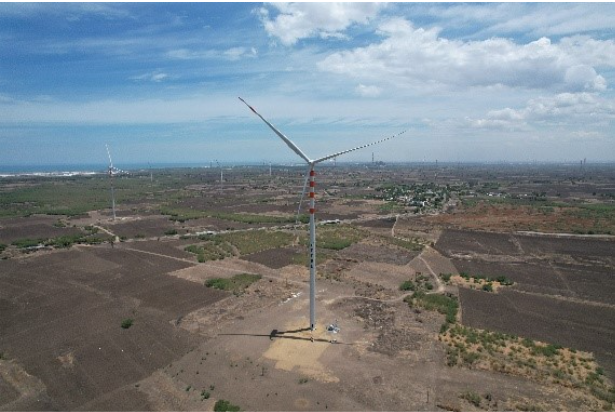
Ottapidaram, Tamil Nadu 50 MW Wind Park
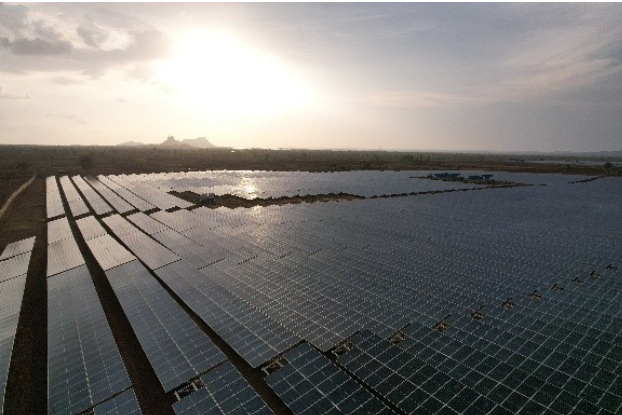
Dhule, Maharashtra150 MWp Solar Park
How does CAPEX Open Access work?
While every project can have its own structure, the concept can be understood through four simple steps:
1. Identify the energy requirement
The business first assesses its electricity consumption, renewable energy goals and long-term requirements.
2. Develop a renewable energy project
A renewable energy generation project is developed to meet the customer’s requirements.
3. Invest in and own the asset
Under the CAPEX model, the customer invests in and owns the generation asset.
4. Use the renewable power for business operations
The electricity generated by the renewable asset can be supplied to the customer’s operations through the applicable Open Access framework.
The exact project structure, connectivity, approvals and commercial arrangements will depend on the project and applicable regulations.
CAPEX vs OPEX: What is the difference?
One of the easiest ways to understand CAPEX Open Access is to compare it with the more familiar OPEX/PPA model.
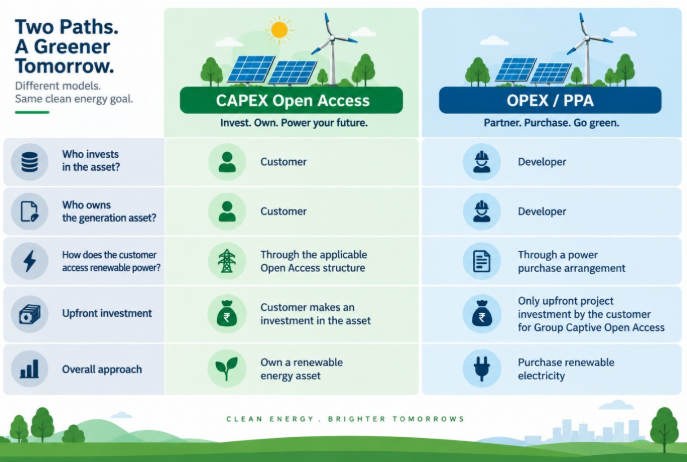
The choice between the two ultimately depends on a company’s energy requirements, investment appetite, long-term objectives and the structure that best fits its business.
Why are businesses considering renewable energy through Open Access?
Green Energy Open Access has been introduced as a mechanism to make renewable electricity more accessible to consumers. The Ministry of Power has highlighted commercial and industrial consumers as an important category that can voluntarily purchase green power through the framework.
For businesses, renewable energy can form an important part of a broader energy and sustainability strategy.
CAPEX Open Access can be particularly relevant for companies that:
- Have significant and relatively long-term electricity requirements
- Want to increase their use of renewable energy
- Are comfortable making an investment in renewable energy infrastructure
- Prefer to own the generation asset
- Are looking at renewable energy as a long-term strategic investment rather than only as an electricity procurement decision
The suitability of the model will, of course, depend on the customer’s specific requirements and the feasibility of the project.
CAPEX Open Access: From Buying Green Power to Owning the Asset
For some companies, an OPEX/PPA model may be the right fit because it allows them to procure renewable electricity without making the project investment themselves.
For others, particularly businesses with long-term energy requirements and an appetite for investment, CAPEX Open Access can provide a route to owning a renewable energy generation asset while using the Open Access framework to meet their power requirements.
The important thing is not to look for a one-size-fits-all solution, but to identify the model that best fits the business’s energy needs, investment strategy and long-term objectives.
At Fourth Partner Energy, we work with businesses to explore renewable energy solutions based on their specific requirements—whether through CAPEX or OPEX models.
The availability, eligibility, project structure, approvals, charges and other conditions applicable to Open Access projects depend on the prevailing regulations and the specific project. Customers should evaluate these aspects as part of project feasibility.