




Blog Summary
- What corporate rooftop solar is, how a grid-connected system works, and why more Indian businesses are adopting it in 2026
- The ownership models available (CAPEX, OPEX/PPA/RESCO) and how financing is becoming easier for C&I consumers
- Key 2026 policy points: net metering limits, ALMM List-II sourcing rules and the absence of central subsidies for corporates
- A step-by-step roadmap and the common mistakes to avoid when planning a project
The Roof Above Your Business Is an Untapped Asset
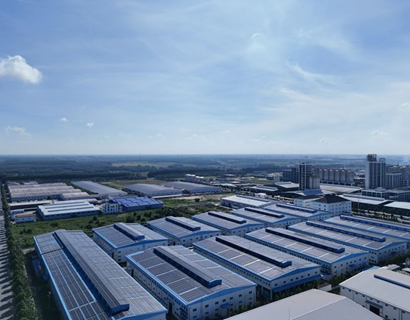
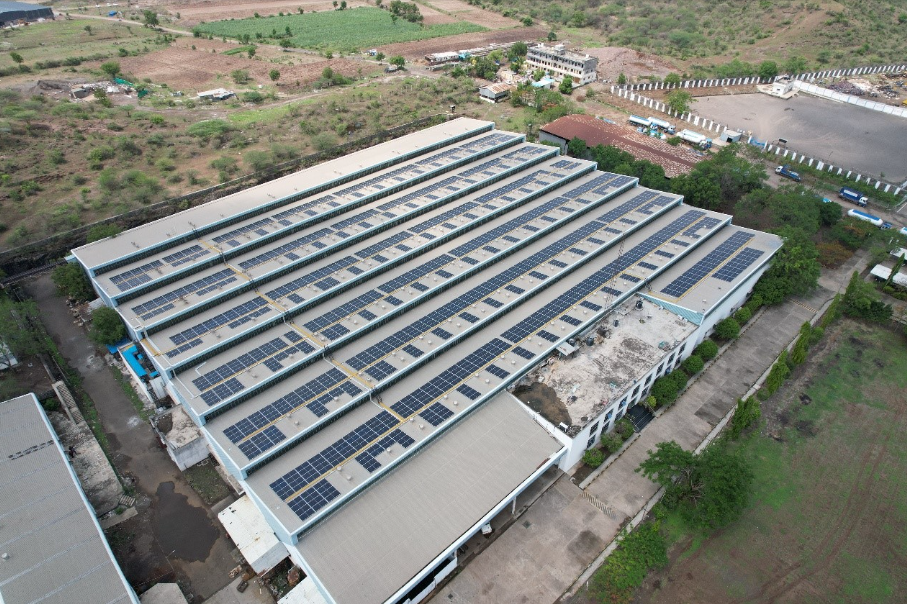
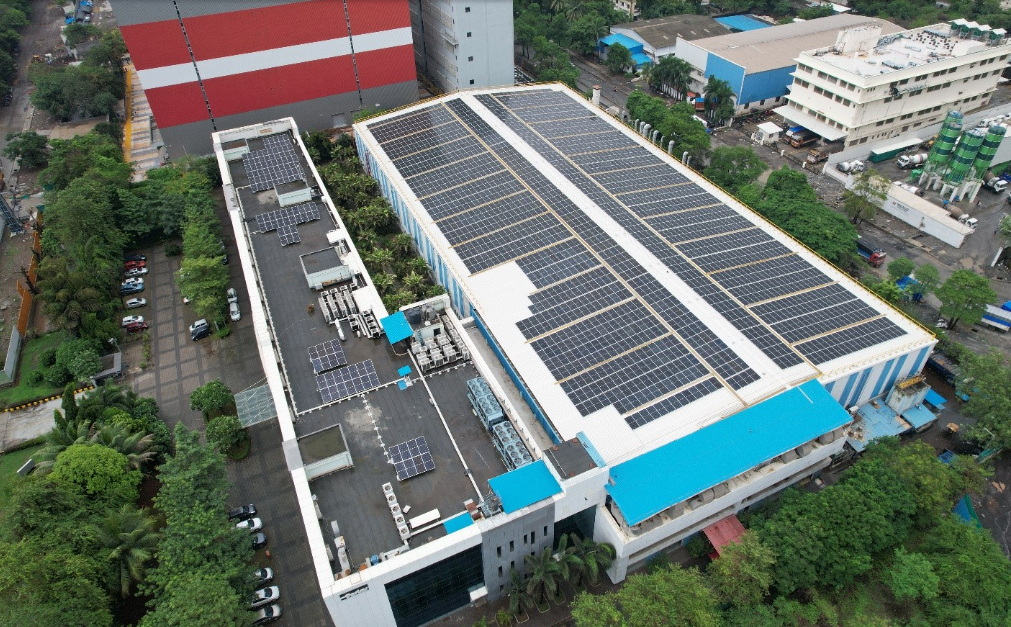
Look at the roof of a factory, warehouse, office campus or hospital. While the business below consumes electricity all day, that roof sits there receiving free sunlight. For organisations with suitable roofs and the right consumption profile, rooftop solar can turn that unused space into a source of on-site renewable electricity.
The market is moving fast. India added 6.6 GW of rooftop solar capacity in the first half of 2026, a 131% increase over the same period in 2025, according to Mercom India Research. Much of that surge was driven by the residential PM Surya Ghar programme, but it shows how quickly rooftop solar is becoming a mainstream choice, and businesses are paying attention too.
For corporates, the case goes beyond sustainability messaging. Rooftop solar can help manage electricity costs, reduce exposure to grid tariff changes and support renewable-energy goals. The value of any project, however, depends on the site, consumption pattern, state regulations, financing model and quality of execution.
This guide walks through how corporate rooftop solar works, why businesses are adopting it, the ownership models available, the regulations that matter in India in 2026, and how to plan a project from start to finish. Let’s begin with the basics.
What Is Rooftop Solar for Corporates?
Corporate rooftop solar is a solar power system installed on the roof of a commercial or industrial building to generate electricity for the facility’s own operations. Solar photovoltaic (PV) panels convert sunlight into electricity, which can power machinery, lighting, air-conditioning, computers, refrigeration and other equipment.
A typical grid-connected rooftop solar system consists of:
- Solar PV modules: capture sunlight and generate direct current (DC) electricity.
- Inverters: convert DC electricity into the alternating current (AC) used by most commercial equipment.
- Mounting structures: secure the panels to the rooftop.
- Electrical infrastructure: cables, switchgear, protection equipment and associated components.
- Monitoring systems: track generation, equipment performance and system efficiency.
- Metering and grid connection: enable electricity measurement and, where permitted, the export of surplus power to the distribution grid.
The system works alongside your existing supply. During sunny hours, solar power meets part of the facility’s demand, and the grid supplies any shortfall, so operations continue without disruption. What happens to any surplus power depends on how your system connects to the grid, which is the next piece of the puzzle.
Why Are Corporates Considering Rooftop Solar in 2026?
- Lower electricity costs: on-site generation reduces grid electricity purchases and helps manage energy expenses over the long term.
- Protection against tariff increases: generating part of your electricity on-site reduces exposure to changes in grid tariffs.
- Decarbonisation: rooftop solar can help reduce location-based Scope 2 emissions and support BRSR and ESG reporting, subject to applicable accounting methodologies and verified data.
- Efficient use of existing space: businesses can generate renewable electricity from suitable rooftop areas without acquiring additional land.
- Brand and compliance value: renewable electricity can support sustainability commitments, customer expectations, supply-chain requirements and export-market expectations.
The market outlook
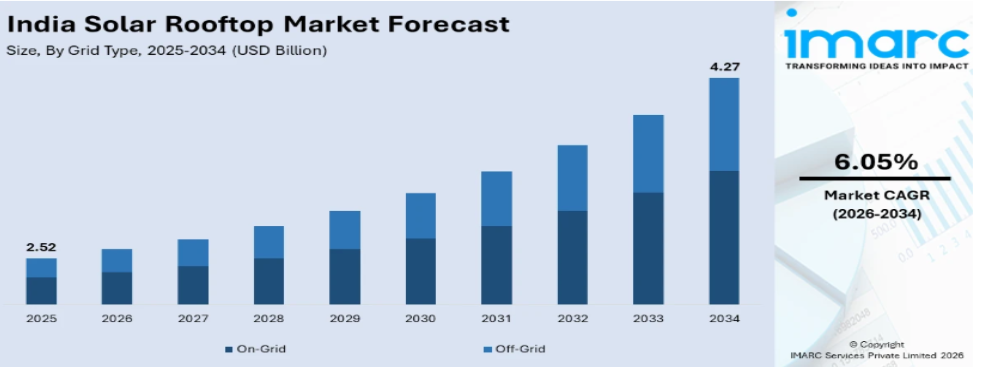
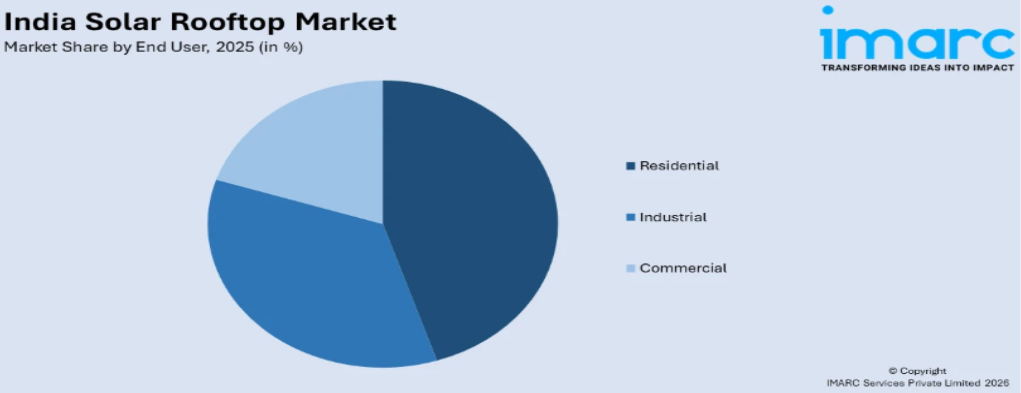
Looking further ahead, India’s rooftop solar market is projected to grow from USD 2.52 billion in 2025 to USD 4.27 billion by 2034, a compound annual growth rate (CAGR) of 6.05%, according to IMARC Group. That may look modest next to the 131% jump in installations above, but the two measure different things: a six-month capacity surge driven largely by a residential programme, versus a long-range forecast of market value. Together they point the same way: distributed solar is becoming a normal part of how India uses energy.
What Determines the Savings? Understanding Project Economics
There is no single payback figure for corporate rooftop solar, because every site is different. The factors that matter most are:
- Your tariff category and current rates: the higher the grid tariff you offset, the stronger the savings.
- Daytime consumption: solar generates in daylight hours, so facilities that run during the day use more of the power directly.
- Roof quality and design: available area, shading, orientation and structural strength affect how much you can generate.
- State rules: net metering limits, banking and applicable charges influence what you can export and how it is credited.
- Quality of equipment and execution: components, installation and long-term O&M determine whether the plant keeps performing for 25 years or more.
- Ownership model: whether you buy the system or pay per unit changes the financial structure of the project.
That last factor deserves its own section.
Choosing the Right Ownership Model and Financing
| Model | How it works | Best for |
|---|---|---|
| CAPEX (own it) | You fund, own and operate the system. | Cash-rich businesses seeking maximum long-term savings and depreciation benefits. |
| OPEX / PPA / RESCO | A developer installs, owns and maintains the plant; you pay only for the solar units consumed. | Companies wanting zero upfront investment and no O&M burden. |
Policy Watch 2026:
India’s rooftop solar sector is governed by national electricity rules, technical standards and state-specific regulations. Two points matter most for corporates this year.
Net Metering and Billing Arrangements
Net metering allows eligible surplus electricity exported to the grid to be accounted for under applicable settlement rules. Other arrangements, such as gross metering and net billing, may also apply. Export rates, capacity limits and eligibility vary by state and must be verified with the relevant distribution company.
Solar Equipment Procurement and ALMM Requirements
Solar equipment procurement must comply with applicable government requirements. In July 2026, the Ministry of New and Renewable Energy announced a limited extension until 31 December 2026, of an exemption from ALMM List-II for specified projects. Businesses should verify the latest requirements before finalising procurement and installation plans.
Residential Subsidies vs. Corporate Installations
The PM Surya Ghar: Muft Bijli Yojana is a residential rooftop solar scheme. Commercial and industrial consumers should verify their eligibility for any incentives or tax benefits under applicable policies.
A Practical Roadmap for Your Rooftop Solar Project
- Audit your consumption: study 12 months of bills, load profile, tariff category and sanctioned demand.
- Assess the roof: check structural strength, shading, orientation, roof type and available area.
- Check your state’s rules: net metering limit, banking, wheeling and applicable charges.
- Pick a commercial model: CAPEX, OPEX or hybrid, based on your balance sheet and strategy.
- Confirm ALMM compliance: ask for List-I and List-II documentation for modules and cells and check your commissioning timeline against the 31 December 2026 date.
- Get DISCOM approvals: application, technical feasibility, inspection and commissioning.
- Monitor performance: use remote monitoring, cleaning schedules and preventive maintenance to protect generation over 25+ years.
Knowing the steps is half the battle. Knowing where projects go wrong is the other half.
Common Mistakes to Avoid
- Sizing the system only to roof area rather than to consumption and state net metering limits
- Ignoring commissioning timelines, which matter more now because of the ALMM cut-off
- Choosing on the lowest quote, without considering component quality, O&M and bankability
- Treating solar as a standalone project instead of part of a broader energy strategy that may include wind, hybrid, storage and carbon credits
The Road Ahead: Beyond Rooftop
Rooftop solar is often the first step in a corporate energy transition. As businesses scale, they combine it with wind-solar hybrid, open access, battery energy storage and carbon credits to cover more consumption and improve round-the-clock reliability.
Going Solar Is Easy to Start, but Success Depends on the Journey
Rooftop solar has moved from a “good-to-have” to a core part of corporate energy strategy in 2026. Sustainability expectations, the need for cost predictability and a fast-maturing market all point the same way. But a successful project is about more than putting panels on a roof. It means sizing the system to your actual consumption, navigating state net metering rules and DISCOM approvals, staying compliant with evolving MNRE norms, choosing the right ownership model, and keeping the plant performing well for 25 years or more.
That is where the right energy partner makes the difference.
At Fourth Partner Energy, we work with commercial and industrial customers across this entire journey. From the first rooftop assessment to ongoing performance monitoring, we help businesses choose the model that suits them, whether that is owning the plant or going zero-capex, and plan for what comes next, including wind, wind-solar hybrid, battery energy storage and carbon credits.
Your roof is already there, and so is the sunlight. Talk to our experts today for a free rooftop assessment and a clear picture of what solar can save your business.
Frequently Asked Questions
1. Is rooftop solar worth it for businesses in India in 2026?
For most commercial and industrial users with suitable roof space and daytime consumption, it can be. Savings come from replacing grid power with lower-cost solar over a system life of 25 years or more, but the exact result depends on your tariff, consumption pattern and state rules.
2. Is there a subsidy for corporate rooftop solar?
There is no central subsidy for private C&I establishments. Some states offer incentives, and tax benefits such as accelerated depreciation may be available. Consult your tax advisor.
3. What is ALMM List-II and how does it affect me?
ALMM List-II is the list of approved domestic solar cell manufacturers. Net-metering and open access projects commissioned on or before 31 December 2026 are exempt from the List-II cell requirement under MNRE’s limited window. After that date, projects must use List-I modules and List-II cells.
4. What is the difference between rooftop solar and open access solar?
Rooftop solar is generated on your premises. Open access sources solar power from an off-site plant through the grid, which suits large loads or limited roof space.
5. Can I go solar with zero investment?
Yes. Under OPEX/PPA/RESCO models, a developer funds and maintains the plant and you pay a per-unit tariff.