




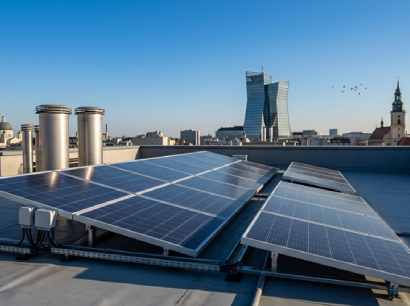
Industrial and commercial (C&I) establishments, such as factories, warehouses, logistics facilities, and manufacturing units, provide some of the greatest opportunities for rooftop solar projects in the nation. Even though there are obvious economic advantages, the application in this sector is lower than expected. This does not happen due to any reluctance, but it happens because of structural, grid, and commercial issues which are more complicated compared to other categories.
In this blog, we will explore the main issues faced by C&I rooftop solar projects and the ways to resolve them.
1. Structural Assessment
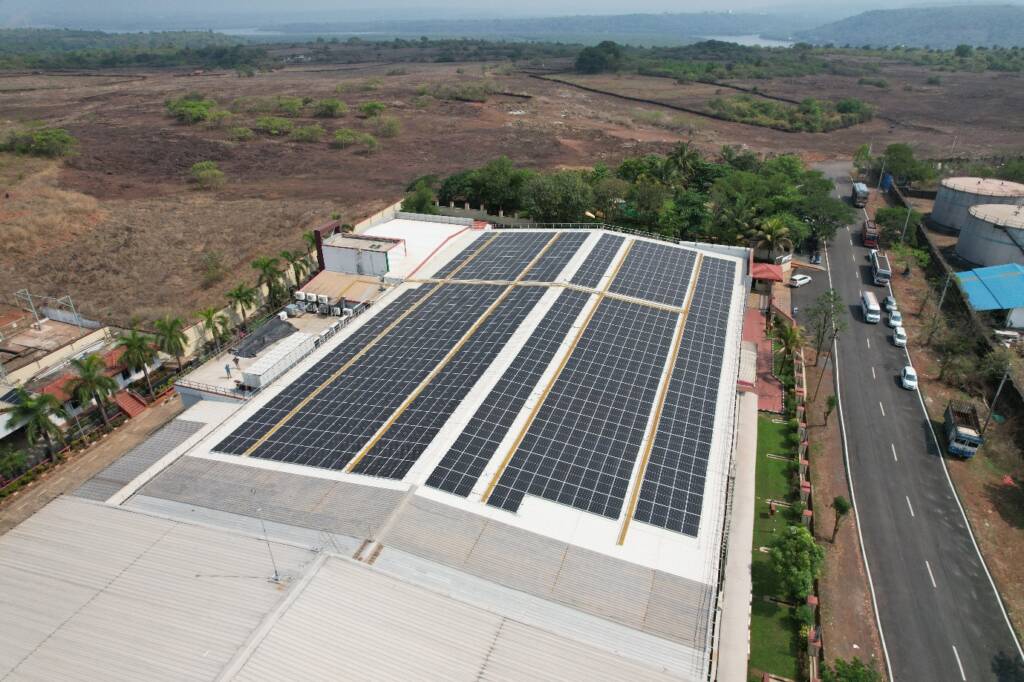
Compared to ground-mounted systems, installing rooftop solar systems must adhere to the limitations of the current building construction. Industrial buildings, particularly old industrial buildings, do not have enough capacity to withstand the dead load from the installation of the solar panel and its racking system. Before the project is designed, a structural inspection of the roof is vital.
The analysis will include the capacity to withstand load, age of the roof, roof condition, and any pre-existing penetration or waterproofing on the roof. If the roof is unable to support the installation of a conventional racking system, then using a ballasted system is an alternative that uses weights to hold the structure rather than penetrating it.
This approach may increase the dead load and cause the roof to be waterlogged. Failure to conduct a structural inspection early will lead to increased costs.
2. Wind and Seismic Loads on Large Industrial Rooftops
Large and flat roofs are more susceptible to wind uplifts, particularly on their perimeters and corners. Panels that are installed using poor design will easily be lifted or detached from the system by aerodynamic force, thus creating risks and increased expenses for maintenance in the future.
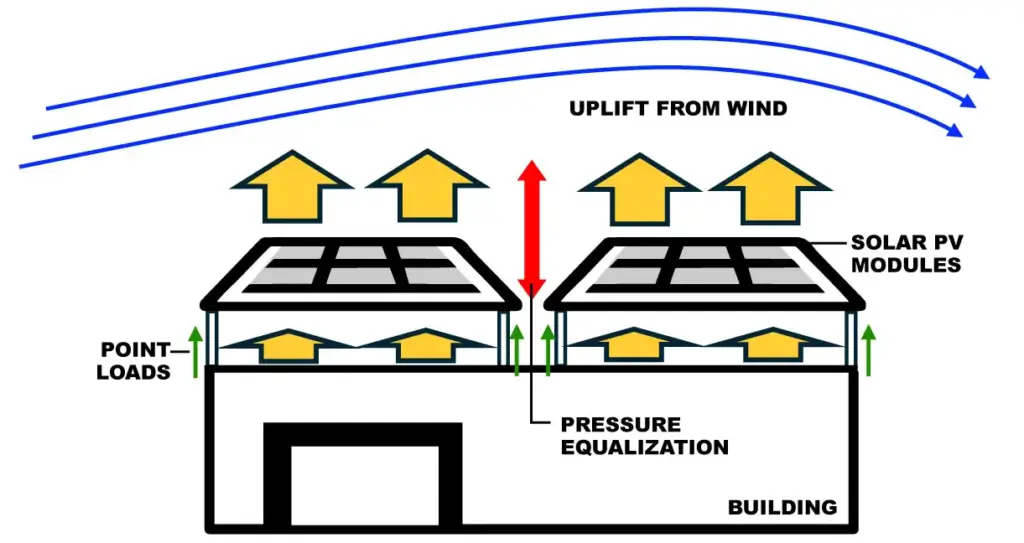
This problem can be solved by determining the wind load based on the location and height of the structure where the solar panels will be installed. In earthquake-prone areas, flexible conduits and vibration-absorbing mounting blocks are employed to avoid any fatigue of the components.
3. Grid Interconnection
Perhaps the greatest logistical challenge for the adoption of commercial and industrial rooftop solar is gaining permission to connect it to the grid. For larger projects, this process may involve lengthy delays, ranging from one to two years in many jurisdictions.
The best method for minimizing these hurdles is designing the system for self-consumption, with maximum utilization of solar power generated on-site, rather than exporting the excess power to the grid. A system designed as a behind-the-meter solution with minimal or zero-export capabilities will minimize the scope of analysis undertaken by the utility company, which may even expedite the approval process in some cases.
If an export connection is essential, then collaboration with experienced developers or engineers familiar with the utility’s requirements will considerably reduce delays. This includes familiarity with the documentation required, relay settings, and other technical details demanded by a specific utility company.
4. Voltage and Power Quality on Weak Feeders
C&I systems tend to be installed in industrial parks fed by distribution feeders which were not originally engineered to accommodate substantial amounts of solar injection. The injection of a large amount of electricity through the rooftop system may lead to an increase in the voltage level beyond the acceptable range at the PCC, forcing the inverter to shut down. This will directly affect the efficiency of the system.
This problem could be managed through modern inverters that use Volt-VAR control, where the inverters will absorb the reactive power and ensure that voltage levels remain stable. This function requires configuration during installation. The issue of harmonic distortion from the switching mechanism of the inverter must also be considered, since some inverters comply with IEEE 519 standards.
5. Battery Storage
In situations where a facility’s peak demand charges are high, such that a very short duration of high consumption impacts a significant part of the total bill, solar PV and BESS are an excellent fit.
In general, the total electricity bill in many commercial & industrial segments consists of around 30-50% of peak demand charges. A smartly designed system combining solar PV generation and BESS tackles this charge and often proves to be more effective in generating positive financial outcomes.
However, installing a battery on a rooftop brings in its own limitations. There are certain set-back distances required in building fire regulations, in addition to the need for fire suppression equipment. This requirement is not easy to meet on a rooftop, which itself is subjected to extra load due to the solar panels installed. Most practical and feasible cases involve installation of the batteries on the ground and their connection to the rooftop solar PV system through DC cables.
6. Commercial and Regulatory Barriers
Even where engineering considerations are simple, the commercial and regulatory complications of rooftop solar installation under C&I may become the key stumbling block. One of the most prominent problems is referred to as the “split incentive” problem where, as in this case, the building owner provides financing for the solar system while the savings from the reduction in electricity consumption benefit the tenant paying the utility bill.
The conventional solutions to such situations include PPAs and the implementation of green lease clauses. In a PPA model, an independent firm installs the solar system and the building owner buys electricity generated at a certain fixed price, which is below that offered by the power grid.
On the permitting side, approval timelines vary across states and electricity boards. Projects that use standardised designs, pre-vetted equipment, and experienced local liaisons tend to move through the process faster. In some states, permit-by-rule frameworks for rooftop solar below certain capacity thresholds further reduce the time and effort involved.
Conclusion
C&I rooftop solar projects that run into problems typically do so because the full range of disciplines was not involved early enough. Structural engineers, electrical engineers familiar with grid protection requirements, and advisors who understand PPA and lease structuring all need to be part of the project from the assessment stage.
The challenges covered in this blog are real, but none of them are insurmountable. With the right project development approach and the right team in place from the start, C&I rooftop solar can deliver reliable, long-term reductions in energy costs and a meaningful step toward an organisation’s sustainability commitments.
Frequently Asked Questions
How much rooftop space is needed for a commercial solar installation?
Generally, a 1 kWp rooftop solar system requires approximately 6–7 square metres of usable roof area. However, the usable area is typically 65–80% of the gross roof area, after accounting for setbacks from parapet edges, maintenance corridors around HVAC units, and other obstructions. A 500 kWp system suitable for a medium-sized industrial facility would typically require around 3,500–4,000 square metres of usable rooftop space.
What is the typical payback period for C&I rooftop solar in India?
For commercial and industrial consumers in India, rooftop solar systems typically have a payback period of 3–6 years, depending on system size, local electricity tariff, self-consumption ratio, and financing structure. Facilities on higher industrial tariff slabs paying ₹7–₹10 per kWh or more tend to see faster paybacks. When paired with a battery energy storage system for peak demand management, the overall financial returns can improve further, particularly for facilities with significant maximum demand charges on their electricity bills.
Who are the leading rooftop solar developers for C&I businesses in India?
Several established developers operate in the C&I rooftop solar segment in India.
Fourth Partner Energy (FPEL) is one of India’s leading distributed solar energy companies, with over a decade of experience developing and managing on-site solar projects for commercial and industrial clients across the country. FPEL offers end-to-end solutions including rooftop solar, open access renewable energy, wind-solar hybrid systems, and battery energy storage making it a comprehensive partner for businesses looking to reduce electricity costs and meet sustainability commitments. To explore a customised rooftop solar solution for your facility, reach out to marketing@fourthpartner.co.
Does rooftop solar affect the roof warranty or waterproofing?
Rooftop solar can affect a roof warranty if the installation involves penetrations not carried out in line with the roof manufacturer’s guidelines. A reputable developer will coordinate with the original roof manufacturer before installation and design the mounting system accordingly. Ballasted racking systems which require no roof penetrations are a common solution for flat industrial rooftops and typically do not void an existing roof warranty. The solar installer’s workmanship warranty should also cover any damage caused during the installation process.